Unlocking Depth and Dimension with Textured Digital Paper Backgrounds
Every designer eventually hits a wall where flat colors feel insufficient. You can tweak the hue and saturation all you want, but sometimes a design still lacks that tactile quality that makes the viewer want to reach out and touch the screen. This is where Textured Digital Paper Backgrounds enter the conversation. They are not just colors; they are environments. By combining the smooth transitions of gradient color with the tactile grit of texture, these assets bridge the gap between the digital and the physical world. For creators looking to add a layer of sophistication to their work, understanding how to leverage these specific assets is a game-changer.
The Anatomy of the Asset: Beyond Flat Color
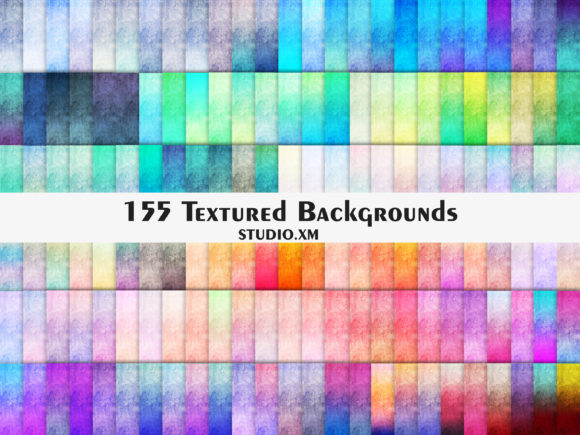
When we talk about Textured ombre digital paper backgrounds, we are discussing a specific visual language. It is the marriage of two distinct design elements. First, you have the gradient colour foundation. This provides a smooth, rhythmic transition from one shade to another, creating a sense of motion and flow. It prevents the background from feeling static. Second, you have the texture overlay. This introduces noise, grain, or organic patterns that mimic the feel of real-world materials like cardstock, canvas, or concrete.
The personality of these backgrounds is sophisticated yet approachable. Unlike a standard serif font or sans serif font which carries the weight of the message, the background sets the stage. It provides a visual context that feels established and professional. The appeal lies in its versatility. It offers the depth of a photograph but the neutrality of a solid color block. It is an asset that whispers rather than shouts, allowing your typography—whether it is a bold display font or an elegant script font—to take the spotlight without competing for attention.
Practical Applications for Modern Creators
The utility of a high-quality set of 155 digital papers is vast, spanning across almost every medium a creative professional might touch. However, the value isn't just in the quantity, but in the resolution and sizing. At 300 DPI and 15 x 16.5 inches (4500 x 5000 pixels), these are not small web graphics; they are premium font level assets designed for serious output.
Here is where they truly shine in real-world scenarios:
- Printable Scrapbook Paper and Crafts: This is the most direct application. The texture mimics high-end printable scrapbook paper, making digital layouts look like physical albums. It is perfect for creating ephemera, junk journaling cards, and die-cuts.
- Card and Invitation Design: In packaging design and stationery, texture implies quality. Using a textured ombre background on a wedding invitation or a business thank-you card adds a tactile element that suggests the paper stock is heavy and expensive, even if it is printed on standard cardstock.
- Photography Backdrops: For flat-lay photography or composite images, these textures serve as excellent backdrops. They provide context without distracting from the subject. They can replace the need for expensive vinyl backdrops in digital compositing.
- Digital Branding and Social Media: In the realm of social media graphics, consistency is key. Using a cohesive set of textured backgrounds can unify an Instagram grid or Pinterest board. It moves a brand away from the "cheap" look of stock photos and toward a curated brand identity.
Influence on Brand Perception and Visual Hierarchy
Design is psychology, and the background is the silent persuader. When you choose a textured gradient over a flat hex code, you are making a statement about your brand's values. Flat colors are efficient and modern, often associated with tech and UI design. Textures, however, are associated with craftsmanship, nature, and history.
For a small business owner or entrepreneur, using Textured Digital Paper Backgrounds can shift the perception of their brand from "digital-only" to "established." It suggests that the creator pays attention to details. This influences the audience's trust. If the background looks tactile and real, the product or service being sold feels more tangible and valuable.
Furthermore, texture aids in visual hierarchy. A textured background has "tooth." This tooth helps anchor elements to the page. When you layer a clean, vector-based logo design or a crisp handwritten font over a subtle ombre texture, the contrast creates a focal point. The eye naturally goes to the cleanest element because it stands out against the complex background. This makes your text more readable and your message clearer, provided the texture isn't too busy.
Selecting and Integrating Your Design Assets
With a set of 155 options, the challenge often becomes selection rather than scarcity. To ensure your project succeeds, you need to evaluate the fit of the Textured ombre digital paper backgrounds based on the emotional tone of your content.
Evaluating Project Fit:
- Color Psychology: Match the gradient direction and color temperature to your message. Cool blues and teals work for corporate or wellness brands, while warm earth tones fit organic or vintage aesthetics.
- Texture Intensity: Look at the grain. Is it a fine noise or a rough canvas? For web design and small thumbnails, a finer texture is usually better so it doesn't look dirty when compressed. For large editorial design spreads, a coarser grain can add significant character.
- Opacity and Layering: Don't be afraid to edit the asset. In Photoshop or Canva, try reducing the opacity of the paper to 50% to create a ghost effect, or multiply two different textures to create a unique design asset that no one else has.
Font Pairing and Readability:
The relationship between the background and the typeface is critical. Because these backgrounds have texture, they can sometimes fight with highly detailed typography. Avoid using thin, delicate fonts at small sizes, as the texture might swallow the letterforms. Instead, pair these backgrounds with bold, high-contrast fonts.
- Pair a rough, stone-like texture with a geometric sans serif font for a modern industrial look.
- Combine a soft, watercolor-style gradient with a flowing script font for a romantic or feminine aesthetic.
- Use a gritty paper texture with a slab serif font to evoke a vintage or industrial vibe.
Licensing and Commercial Viability
For designers, marketers, and content creators, the ability to use these assets commercially is non-negotiable. Whether you are creating POD (Print on Demand) products, client work, or digital downloads, you need to ensure the license covers your intended use. The set described here, being high-resolution JPGs, is standard for commercial use. It allows you to sell the printable scrapbook paper as part of a kit, use it in a book cover design, or print it on fabric for a product line.
The versatility of these gradient colour assets means they are a sound investment. They can be cropped, recolored, and manipulated to fit an infinite number of projects. By incorporating these into your workflow, you elevate your output from generic to bespoke. You aren't just filling a background; you are building a world for your content to live in.