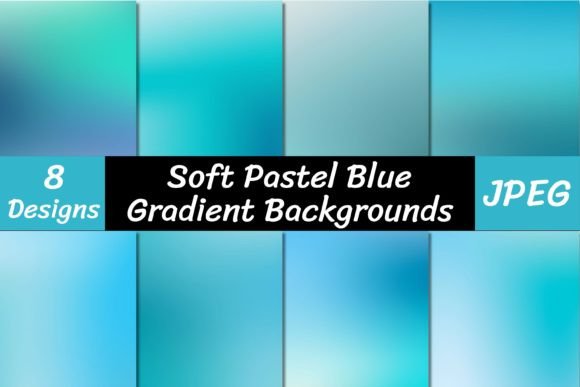
Soft Pastel Blue Gradient Backgrounds: A Modern Design Foundation
Finding the right visual foundation for a project often feels like searching for a specific shade in a crowded paint store. You need something that sets a tone without shouting, that provides depth without distraction. Soft pastel blue gradient backgrounds answer this need with quiet confidence. These aren't just static colors; they are dynamic, flowing canvases that blend seamlessly from one gentle tone to another, offering a sense of movement and sophistication.
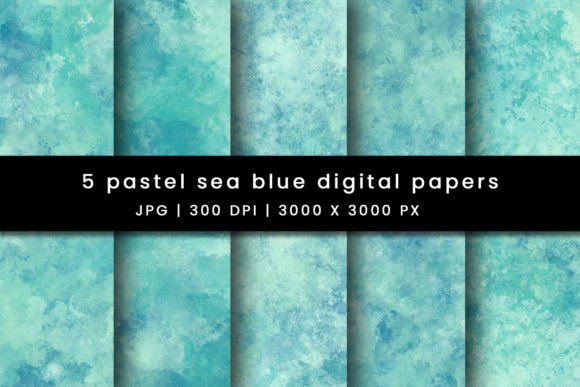
Visually, these backgrounds are defined by their subtlety. Imagine the first light of dawn or the soft haze of a distant horizon. The gradients move between shades of powder blue, sky blue, and muted lavender, creating a calming and trustworthy atmosphere. The personality is inherently serene, clean, and contemporary. It’s a style that feels both professional and approachable, making it a versatile asset in any creative toolkit. The included set provides eight distinct digital papers, each a high-resolution 3600 x 3600 pixel JPEG, ensuring crisp detail for both digital and print applications.
Practical Applications Across Creative Fields
The true value of these assets lies in their adaptability. For brand identity and logo design, a soft pastel blue gradient can serve as a sophisticated backdrop that allows a primary logo mark or typography to stand out with clarity. It communicates reliability and calm, ideal for wellness brands, tech startups, financial consultants, or any service-based business aiming to project trustworthiness.
In editorial design and packaging design, these backgrounds create a cohesive and elegant look. Use them for the interior pages of a lookbook, the cover of a minimalist planner, or the background of a product label. They add a layer of texture and visual interest that flat color cannot, enhancing the perceived quality of the final product. For web design and social media graphics, they are particularly effective. As a website hero section background, a gradient can guide the user’s eye naturally. On social media, they provide a consistent, branded canvas for quotes, announcements, and promotional posts, increasing visual recognition across a feed.
Integrating Gradients for Professional Results
Working with these backgrounds effectively requires considering a few key design principles. The first is visual hierarchy. Because the gradient itself has visual movement, any text or graphic overlay needs sufficient contrast. Pairing the background with dark navy or charcoal text often works beautifully. For a lighter touch, using a solid white container or a subtle drop shadow can ensure readability.
When choosing a typeface to pair with the background, consider the project's overall feel. A clean sans serif font like Helvetica or Futura will maintain the modern, minimalist aesthetic. A elegant serif font such as Garamond can introduce a classic, editorial contrast. For a more personal touch, a script font or handwritten font can be used sparingly for headings or accents, though always test for legibility against the gradient's flow.
Evaluate your project's specific needs. Are you designing a commercial font specimen sheet? The gradient can showcase the font's versatility. Creating social media graphics for a series? Use the eight different gradients to create visual variety while maintaining a unified theme. Remember, these are design assets meant to be used. Test them in your software, resize them, and see how they interact with your other elements. The high 300 DPI resolution ensures they won't pixelate, even when cropped for detailed sections.
Final Considerations for Your Project
Before you download and integrate the soft pastel blue gradient backgrounds, ensure you have the necessary tools to unzip the file. A quick check for software like WinZip or WinRAR on your computer will prevent any last-minute delays. Once unzipped, organize the files within your project folder for easy access.
Think about the end use. If your project is for print, the CMYK color values within the JPEG will translate well to physical media. For digital, the RGB values are optimized for screen. Consider the mood you wish to evoke. The cooler tones of these gradients are excellent for projects requiring a sense of space, clarity, and tranquility. They are less suited for high-energy, vibrant campaigns but excel where elegance and composure are desired.
Ultimately, incorporating a premium font or a carefully chosen creative font with these backgrounds can elevate your entire design system. The background supports the typography, and together they build a stronger, more engaging brand identity