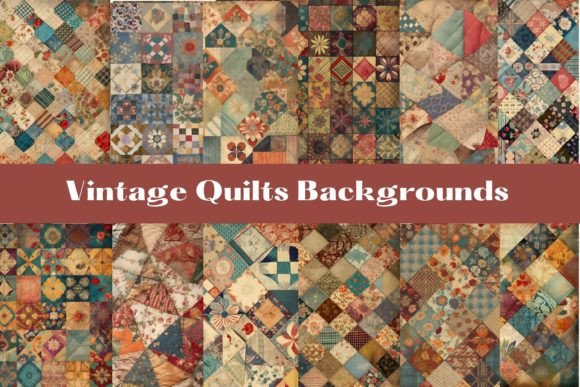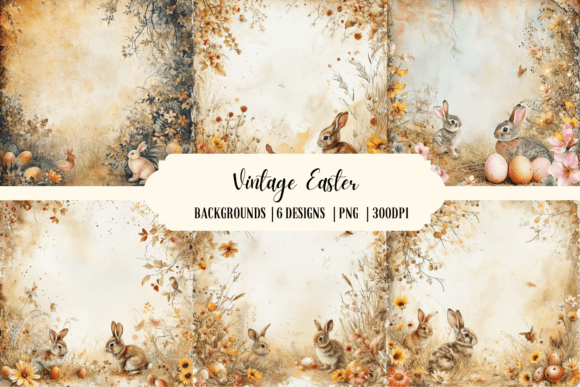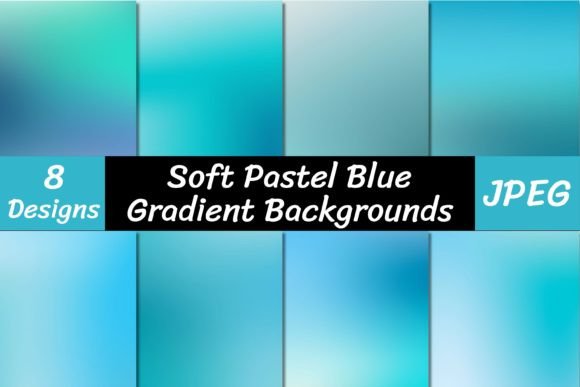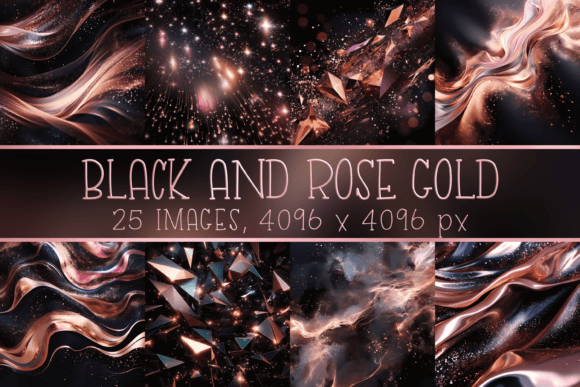
The Timeless Appeal of Vintage Backgrounds for Modern Design
There’s a certain magic in the textures of the past—a warmth, a sense of story, and a tangible quality that digital perfection often lacks. This is precisely the feeling captured by a well-crafted Vintage Background. It’s not just a pattern; it’s a design asset that infuses projects with character and nostalgia, connecting your work to a rich visual history. Whether you're a designer crafting a brand identity or a small business owner creating packaging, understanding how to leverage these textures can elevate your work from simply new to genuinely memorable.
Understanding the Visual Language of Vintage Texture
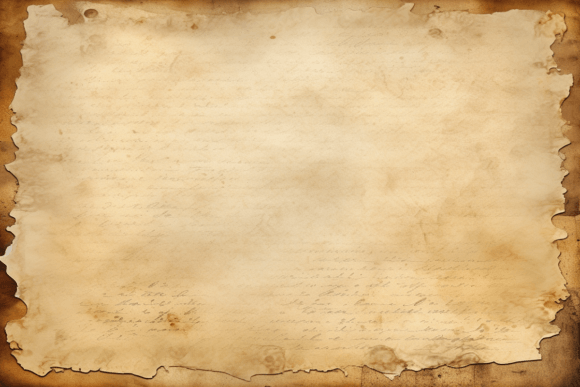
A high-quality Vintage Texture does more than just look "old." It communicates a specific personality. Think of the subtle grain of aged paper, the soft fade of a sun-bleached print, or the intricate, slightly imperfect lines of an old engraving. These elements convey authenticity, craftsmanship, and a sense of enduring quality. The appeal lies in their ability to add depth and a tactile feel to digital projects, creating an emotional resonance that crisp, clean graphics sometimes cannot achieve.
This particular Vintage Print background, delivered as a 1200x800 pixel PNG at 300 DPI, is built for practical application. The dimensions are versatile enough for both digital and print projects, while the high resolution ensures clarity when scaling for various uses. The PNG format preserves the delicate details and transparent areas, making it easy to layer with other design elements without a cumbersome background box interfering with your layout.
Practical Applications: Where This Asset Truly Shines
The true value of a versatile Vintage Background is measured by its utility across different mediums. Its strength lies in its adaptability, serving as a foundational layer for countless creative endeavors.
For digital creators and marketers, this texture is a powerhouse. Use it as the base for social media graphics to add instant depth and stop the scroll. It makes an exceptional background for quote cards, promotional announcements, or behind-the-scenes content, lending an air of established credibility. In web design, it can be applied to hero sections, blog post backgrounds, or sidebar accents to break the monotony of flat color and create a more engaging user experience. For entrepreneurs, it’s perfect for designing unique business cards, letterheads, and digital invoices that stand out in a crowded inbox.
In the realm of physical products and crafting, its applications are equally broad. The 300 DPI quality makes it ideal for print projects. Imagine this texture behind wedding invitation text, as the cover for a handmade journal, or as a unique pattern for fabric printing on tote bags or pillows. For scrapbooking and planner stickers, it provides an instant, cohesive backdrop that ties disparate elements together with a unified, nostalgic theme. It can even transform simple home decor items, like framed art prints or decorative boxes, into curated pieces.
Integrating Vintage Elements with Modern Typography
Pairing a textured background with the right typeface is a critical step in maintaining readability and visual hierarchy. The key is to create contrast, not competition. A busy Vintage Texture pairs best with clean, simple fonts.
For headlines and logos, a strong sans serif font or a bold, modern serif font will cut through the texture, ensuring your message is immediately legible. Avoid overly decorative script fonts or highly detailed handwritten fonts for large blocks of text, as they can become lost in the background's detail. However, a elegant script can work beautifully for a short, prominent title or accent word, provided there is enough visual separation—perhaps through a solid color overlay or a drop shadow.
Consider the overall brand identity you're building. The vintage aesthetic should complement, not dictate, your brand's voice. A tech startup might use a vintage texture sparingly, as a subtle accent in a presentation deck, while a boutique coffee roaster could embrace it fully across their packaging design and editorial design for a cohesive, artisanal feel. Always test your font pairings directly on the background. Zoom in to check that body text remains crisp and that there is sufficient contrast in color and weight to guide the viewer's eye naturally from headline to subheading to body copy.
Making an Informed Choice for Your Project
Before downloading, evaluate the asset's fit for your specific project. Does the color tone—whether sepia, muted, or faded—align with your existing color palette? Does the texture's complexity suit the scale of your application? A very intricate pattern might overwhelm a small logo design but be perfect for a large-format poster.
Always review the licensing terms. A commercial font or asset license is essential if your project is for business use, client work, or products for sale. This ensures you have the legal right to use the design in your commercial endeavors, protecting both you and your client.
Ultimately, a thoughtfully chosen Vintage Background is more than a decorative element. It is a storytelling tool, a brand builder, and a bridge between the analog warmth of the past and the dynamic possibilities of modern design. By selecting a high-quality asset and applying it with intention, you can create work that feels both timeless and authentically yours.