Dive Into Design: Mastering Swimming Pool Backgrounds for Visual Impact
There is an immediate, visceral reaction to the color blue, especially when it is tied to water. It evokes a sense of cleanliness, refreshment, and leisure. For designers and content creators, capturing that specific "summer state of mind" without spending hours staging a photoshoot is a significant advantage. This is where high-quality digital assets come into play. We are taking a deep look at a specific collection that aims to solve the visual problem of creating aquatic-themed projects: the Swimming Pool Backgrounds set. This isn't just about slapping a picture of water behind a logo; it is about texture, perspective, and versatility.
The Anatomy of the Set: Beyond the Surface
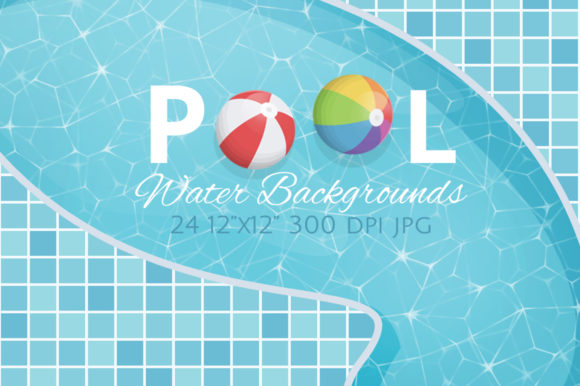
When evaluating design assets, the first thing to look at is the technical specification, followed closely by the artistic style. This particular collection includes 24 distinct 12"x 12" papers at 300 DPI. For the uninitiated, 300 DPI (dots per inch) is the gold standard for print resolution. This means these backgrounds won't pixelate or blur when you print them on physical products, whereas a standard web-resolution image would fall apart under the scrutiny of a professional printer. The JPG format ensures broad compatibility across almost every design software, from Adobe Photoshop and Illustrator to Canva and Procreate.
Visually, the collection focuses on three distinct aquatic textures: the water surface, the pool tiles, and the underwater view. This is a smart triangulation of perspective. As a designer, you rarely need just "water." You often need to decide if you are looking at the pool (surface), into the pool (underwater), or at the structure of the pool (tiles). The inclusion of Swimming Pool Backgrounds that cover these angles allows for a cohesive visual narrative without the images looking repetitive.
Furthermore, the set includes 3 bonus PNG elements: a pool graphic and two colorful beach ball graphics. The PNG format is critical here because it implies transparency. This allows you to overlay these elements onto other backgrounds or integrate them into complex compositions without the hassle of manually cutting out white backgrounds. It adds a layer of playful, vector-style utility to the photographic textures.
Strategic Applications: Where Water Meets Brand Identity
The utility of these backgrounds extends far beyond a simple summer sale poster. While they are perfect for seasonal marketing, their application in brand identity and packaging design is where they truly shine. If you are working with a client in the hospitality sector, a spa, a sunscreen brand, or even a health and wellness company, the psychology of blue is powerful. It communicates trust and hygiene. Using the tile textures as a subtle background for a business card or letterhead can add a tactile, premium feel to a premium font choice without overwhelming the typography.
For the content creators and social media managers in the audience, consistency is key. Instagram feeds and Pinterest boards thrive on thematic cohesion. You can use these Swimming Pool Backgrounds to create a "series" of posts. For example, use the underwater texture for educational carousel posts and the surface texture for lifestyle quotes. Because the lighting and color palette across the 24 papers likely share a harmonious grading, your feed will look curated and professional.
Let's talk about web design and digital publishing. Large, high-resolution hero images are a staple of modern web trends. A blurred or zoomed-in section of the pool water surface can serve as an excellent background for a landing page, provided the text contrast is handled correctly. It creates a mood immediately upon loading. For editorial design, such as a digital magazine or a newsletter header, these textures break up the monotony of plain white or solid color blocks, adding depth and interest to the reading experience.
Typography and Visual Hierarchy: The Critical Pairing
A background is only as good as the foreground that sits upon it. This is where the conversation shifts to modern typography and font pairing. Water, by its nature, is organic, fluid, and chaotic. If you pair a busy water background with a script font or a highly detailed handwritten font, you risk creating visual noise where the text becomes unreadable.
The best practice here is contrast. If you are using a detailed "tile" background, a clean sans serif font with a medium-to-bold weight works wonders. The geometric simplicity of the letters contrasts with the repetitive pattern of the tiles, making the text pop. Conversely, if you are using a deep, calm underwater background, a classic serif font can evoke a sense of elegance and timelessness, perhaps suitable for a high-end resort brochure.
Consider the "beach ball" graphics included in the set. These are fun, retro, and vibrant. They dictate a specific tone. If you use these elements, lean into a display font that has character—something bold and punchy that matches the energy of the graphic. Mixing a serious, corporate serif with a cartoon beach ball creates a disconnect that confuses the viewer. Always ensure your typeface personality matches the assets you are using.
Practical Evaluation and Commercial Use
Before you commit to using these Swimming Pool Backgrounds in a commercial capacity, you need to evaluate the "busy-ness" of the texture. A common mistake in logo design is placing a mark over a high-contrast water reflection. The reflection competes with the logo edges. To fix this, apply a semi-transparent white or dark overlay (a "scrim") over the background image. This mutes the background texture just enough to let your creative font or logo take center stage.
Here is a practical checklist for integrating this set into your workflow:
- Color Grading: Even though the set provides 24 variations, you may need to adjust the hue to match a specific client's brand colors. A quick "Hue/Saturation" adjustment layer in Photoshop can turn a standard blue pool into a stylized teal or navy to match a brand guide.
- Readability Testing: Before finalizing a design, zoom out to 50% view. If you cannot read the headline text instantly, your background is too busy. Increase the blur on the background or add a solid shape behind the text.
- Print vs. Digital: Remember that monitors emit light (RGB) and printers use ink (CMYK). The vibrant blues of a pool can sometimes look muddy in print if not converted correctly. Since these are high-res JPGs, they are print-ready, but always do a test print on your specific paper stock.
For crafters and hobbyists, these backgrounds are ideal for digital scrapbooking, party invitations, or printable wall art. The 12x12 inch format is standard for scrapbooking paper, making it a drag-and-drop solution for those using digital cutting machines or layout software.
Ultimately, the value of this collection lies in its specificity. It doesn't try to be everything; it focuses on the aquatic aesthetic. By understanding the interplay between the Swimming Pool Backgrounds, the complementary PNG elements, and your typography choices, you can transform a simple digital paper into a sophisticated piece of visual communication. Whether you are designing for a summer festival, a luxury spa, or a fun personal project, these assets provide the texture and color needed to make a splash.