Grunge Pink Backgrounds: A Designer's Guide to Edgy Elegance
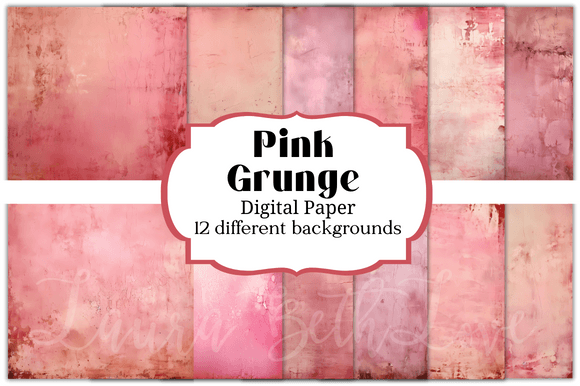
In a digital landscape saturated with pristine vectors and sterile gradients, the raw, textured aesthetic of Grunge Pink Backgrounds Digital Papers offers a compelling counterpoint. This collection of twelve distinct illustrations is more than just a set of backgrounds; it's a toolkit for injecting personality, depth, and a touch of rebellious charm into your creative projects. Moving beyond the typical "pretty in pink" trope, these assets blend soft, often feminine hues with distressed, gritty textures, creating a unique visual tension that feels both contemporary and timeless.
The Anatomy of the Aesthetic: More Than Just a Color
What defines the visual character of these digital papers? Imagine the delicate blush of a rose petal layered with the weathered surface of a vintage brick wall, or a soft coral tone marred by intentional ink splatters and scratchy overlays. That’s the essence of this grunge pink style. The personality is confident and artistic—it doesn’t shy away from imperfection but embraces it as a point of interest. The style appeals to those who find overly polished designs somewhat impersonal. It speaks to an audience that appreciates authenticity, a handcrafted feel, and a design narrative that includes a bit of history, even if it's digitally simulated. The overall appeal lies in its versatility: it can feel punk rock or poetic, industrial or intimate, depending on its application.
As a set of 12 Different pink grunge backgrounds digital paper illustrations, the variety is key. You’re not locked into a single texture. You have a spectrum—from subtle, paper-like grain with a soft pink wash to more aggressive, paint-smeared effects in deeper magenta or salmon. This range allows for cohesive yet varied projects. For instance, a scrapbooker could use a gentler texture for a baby shower page and a more pronounced grunge pattern for a teenage birthday layout, maintaining a thematic color story without repetition.
Strategic Applications: Where This Style Truly Shines
Understanding where to deploy these assets is crucial for maximizing their impact. Their strength lies in projects where you need to establish a strong visual hierarchy and emotional tone quickly.
- Branding & Identity: For businesses targeting a creative, female-identifying, or youth-oriented market, these backgrounds can become a cornerstone of brand identity. Think of a boutique candle company, an indie music label, a modern florist, or a tattoo parlor with a feminine edge. Using a grunge pink texture as a website hero background or in social media templates instantly communicates a brand personality that is edgy, approachable, and distinct from corporate competitors. It’s a creative font choice for the background, setting the stage for your primary typeface.
- Publishing & Editorial Design: In editorial design, such as magazine layouts, book covers (especially for genres like contemporary romance, YA fiction, or memoirs), and album art, these textures add instant mood. A textured pink background can make white or dark typography pop, improving readability while contributing to the story’s atmosphere. It moves beyond flat color, giving the page a tactile, almost physical quality even on a digital screen.
- Marketing & Social Media: For social media graphics, scroll-stopping power is everything. A bold grunge pink backdrop makes announcements, quotes, and promotional posts stand out in a feed. It’s particularly effective for Instagram stories, Pinterest pins, and Facebook ads where the goal is to capture emotion and attention in a split second. Paired with a clean sans serif font, the text remains legible while the background provides visual intrigue.
- Packaging & Product Design: In packaging design, texture conveys quality and story. Imagine these backgrounds on sleeve labels for artisanal goods, cosmetic packaging, or wrapping paper for a boutique gift service. The grunge element suggests craftsmanship and uniqueness, while the pink keeps it accessible and stylish.
- Personal & Craft Projects: Of course, the utility extends deeply into personal creativity. For scrapbooking, junk journaling, and physical crafts (when printed), these digital papers provide a perfect foundation. They can serve as a background for photos, a layer for mixed-media art, or a decorative element in handmade cards. The fact that they are 300 DPI PNG files ensures high-quality prints without pixelation, which is non-negotiable for physical products.
Working with the Assets: Practical Considerations
Integrating any new design asset into your workflow requires a bit of practical know-how. Here’s how to approach these specific files effectively.
First, consider the font pairing. The busy nature of a grunge background demands a typeface that can hold its own. A bold, geometric sans serif font often works best, as its clean lines provide a clear counterpoint to the organic texture, ensuring your message isn’t lost. A classic serif font can also work beautifully for a more sophisticated, vintage-inspired contrast. Avoid overly delicate script fonts or handwritten fonts with very thin strokes, as they can get lost in the visual noise. Always test your text over the background at the intended size to evaluate readability.
The technical specifications are designed for flexibility. Being 300 DPI and in PNG format means they are print-ready and support transparency if you were to modify them. The key note here is that these are separate image files packaged in a zip file, not a layered Photoshop document. This makes them incredibly easy to use as direct backgrounds or overlays in any design software, from Adobe Illustrator to Canva. The files are clearly labeled, so organization is straightforward.
When evaluating if this style fits your project, ask yourself: Does my project benefit from texture and emotional depth? Is my target audience likely to appreciate a less corporate, more artistic aesthetic? If the answer is yes, then exploring the Grunge Pink Backgrounds Digital Papers is a worthwhile step. Start by using one texture in a single project element—a social media post or a blog header—and gauge the response. The best design assets are those that solve a visual problem and enhance your message, and this collection does so by offering a sophisticated yet raw palette that can elevate a wide array of creative work.