Watercolor Floral Backgrounds: A Designer's Guide to Botanical Elegance
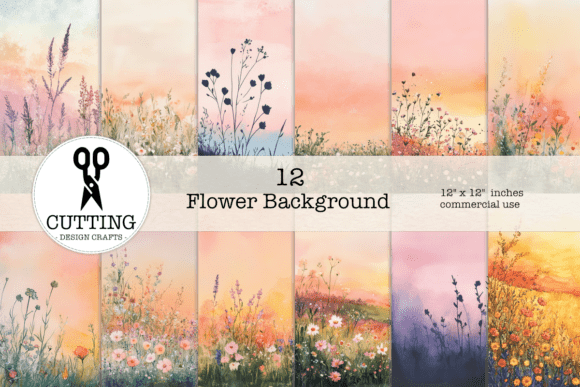
There's an undeniable charm to watercolor art—the way colors bleed softly into one another, the organic imperfections, the sense of something handmade. When paired with floral motifs, this aesthetic becomes particularly powerful, evoking feelings of warmth, nostalgia, and natural beauty. This collection of twelve distinct watercolor floral backgrounds captures that essence perfectly, offering creatives a versatile toolkit for projects that demand a touch of soft sophistication.
Understanding the Visual Language
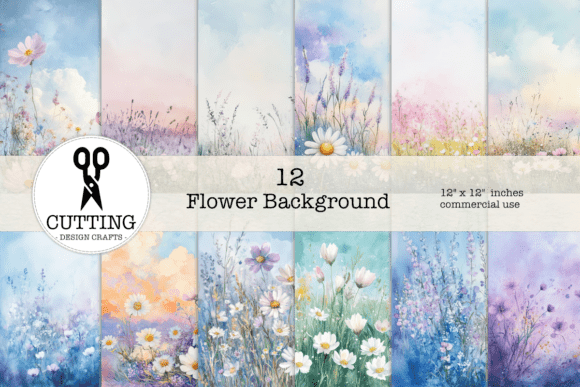
Each design in this set is built around delicate botanical elements—think loose peony sketches, airy eucalyptus branches, or clusters of wildflowers rendered with transparent washes of pigment. The color palettes lean toward soft, dreamy gradients: blush pinks fading into ivory, sage greens blending with dusty blues, warm terracotta meeting creamy neutrals. These aren't bold, graphic florals; they're gentle, atmospheric compositions that suggest rather than shout. The overall personality is one of quiet elegance, making them ideal for projects where you want to convey authenticity, craftsmanship, and a calming ambiance.
What makes these backgrounds particularly useful is their versatility as design assets. They function beautifully as standalone textures or as subtle layers beneath typography and imagery. Because they're delivered as high-resolution 300 DPI JPEGs in a uniform 12"×12" size, they integrate seamlessly into both digital and print workflows—whether you're designing in Adobe Illustrator, Canva, Procreate, or even assembling physical collages.
Where These Backgrounds Truly Shine
The real value of watercolor floral backgrounds lies in their ability to elevate everyday projects without overwhelming them. For wedding stationery designers, they provide instant sophistication for save-the-dates, RSVP cards, and menu layouts. A soft botanical wash behind elegant script typography creates an invitation suite that feels personal and curated. The same principle applies to branding work for boutique businesses—florists, wellness studios, artisan bakeries, or skincare brands—where the aesthetic needs to communicate care, quality, and a connection to nature.
In the digital space, these backgrounds work exceptionally well for social media graphics, blog headers, and email newsletter banners. They add visual interest without competing with your message. Imagine a lifestyle blogger using a muted floral wash behind a recipe post, or a small business owner layering one beneath a product announcement. The effect is polished but approachable, which is exactly the balance most brands aim to strike on platforms like Instagram and Pinterest.
For crafters and hobbyists, the applications are even more hands-on. These backgrounds are perfect for junk journaling, where layered textures and vintage-inspired aesthetics reign supreme. Print them on cardstock for planner covers, use them as collage elements in mixed-media art, or incorporate them into scrapbook layouts. The 12"×12" format is specifically tailored for these creative pursuits, eliminating the need for resizing or cropping.
Design Considerations and Practical Pairings
When working with watercolor floral backgrounds, typography choice becomes critical. Because these designs are inherently organic and textured, pairing them with clean sans serif fonts often yields the best results. A modern sans serif typeface—something like Montserrat, Raleway, or Lato—provides a crisp counterpoint to the soft, irregular edges of the watercolor washes. This contrast ensures readability while maintaining visual harmony.
That said, script fonts and handwritten typefaces can also work beautifully, provided they're used sparingly—typically for headlines or accent text rather than body copy. A flowing calligraphy font layered over a muted botanical background can create stunning logo design concepts for brands in the beauty, fashion, or lifestyle space. The key is to let the background breathe; avoid cluttering the composition with too many competing elements.
Color coordination matters as well. Pull a single hue from the watercolor palette and use it for your typography or accent graphics. This creates a cohesive visual identity without feeling forced. For example, if a background features soft coral peonies against a cream wash, using that same coral tone for your headings ties the entire design together naturally.
Evaluating Fit for Your Project
Before committing to any set of design assets, it's worth asking a few practical questions. Does the mood of the background align with your brand identity or project goals? Watercolor florals communicate warmth, femininity, and approachability—which suits certain audiences perfectly but might feel out of place for a tech startup or a corporate law firm. Consider your target demographic and the emotional response you're trying to evoke.
Resolution and format are equally important. At 300 DPI, these JPEGs are print-ready, which means you can confidently use them for professional printing without worrying about pixelation or quality loss. For digital-only projects, the high resolution gives you flexibility to crop and zoom into specific sections of a background without sacrificing clarity.
Licensing is another factor worth reviewing. If you're creating commercial products—whether that's physical stationery sold on Etsy, digital downloads for your design shop, or marketing materials for a client—you need to ensure the assets you're using allow for commercial use. This collection is designed with creators and small business owners in mind, making it a practical choice for both personal and professional applications.
Bringing It All Together
The beauty of watercolor floral backgrounds lies in their ability to add depth and emotion to a design without requiring advanced technical skills. They're forgiving assets—imperfections in the watercolor texture actually enhance their appeal, which means you don't need to be a seasoned graphic designer to use them effectively. Whether you're a blogger looking to refresh your site's visual presence, a crafter building out a new journal, or an entrepreneur developing a brand identity, these backgrounds offer a reliable foundation for creative work that feels both intentional and inspired.
Start by experimenting with one or two designs in a low-stakes project. Layer them beneath text, adjust the opacity, try different crop ratios. You'll quickly discover how a single watercolor wash can transform a flat layout into something with real visual presence—and that's the kind of practical, versatile asset every creative professional should have in their toolkit.